
By Max Milano (Travel Writer)
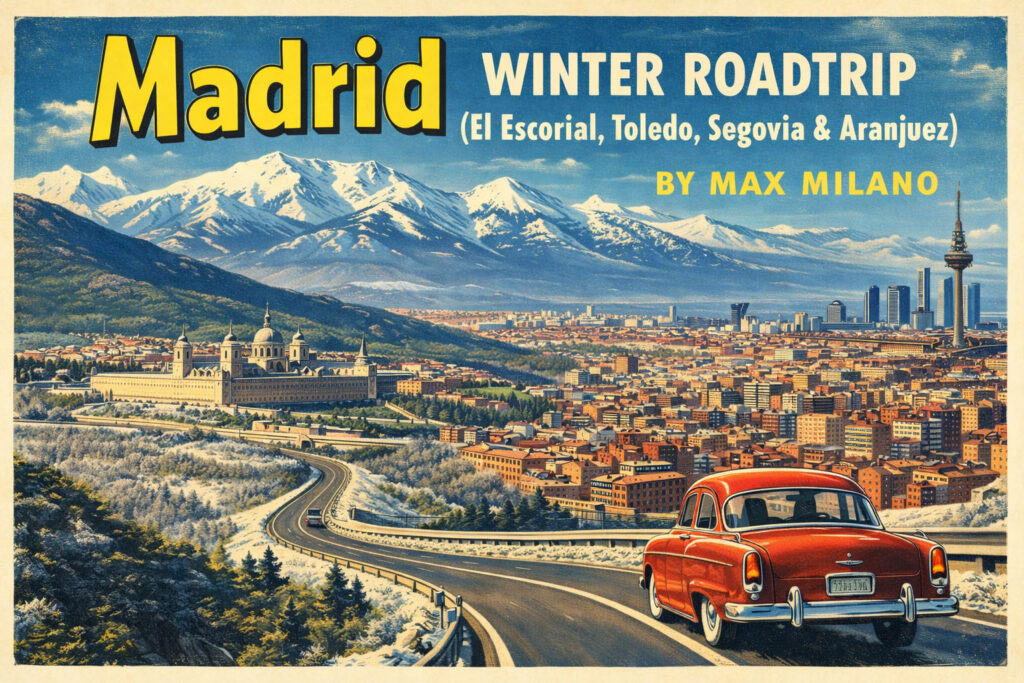
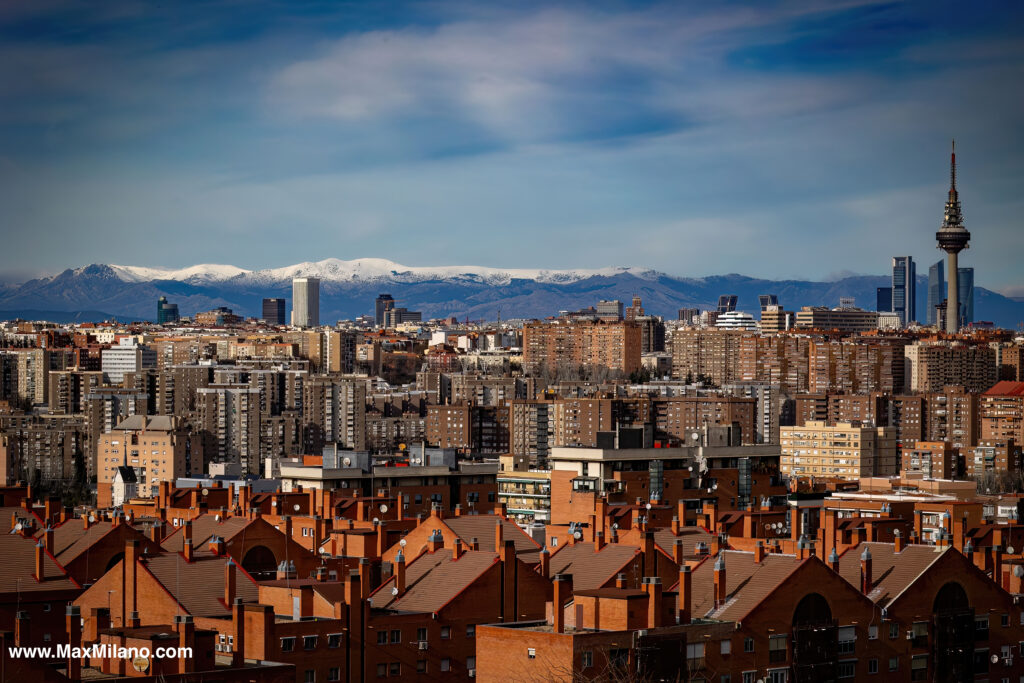
Madrid. Not a particularly pretty city, Hemingway wrote in Death in the Afternoon. It’s sometimes as if its grandiose buildings could be anywhere, Buenos Aires, for example. But it’s when one sees that deep blue, high-desert winter sky and the snow dusting the jagged peaks of the Sierra de Guadarrama as they loom above the city that one realizes it can’t be anywhere else but Madrid.
But things have changed a lot in Madrid since Hemingway’s time, and some of it, as far as a visitor is concerned, not for the better. Sure, El Sobrino del Botín, Hemingway’s favorite Madrid restaurant, is still there, still serving roasted suckling pig like crusty angels on a plate, much as they did in his day. But apart from a handful of buildings, very little remains in central Madrid that would feel familiar to him today. You’ll still find a few solidly authentic tascas around the Las Ventas bullring, but few tourists venture that far now, preferring accommodation closer to the monuments. Lines still form outside the Prado for the free entrance between five and eight in the evening, but the crowds are such that only the patience of a Times Square New Year’s Eve stalker would endure them. For everyone else, there’s the hefty thirty-five-plus-euro ticket to see the Spanish masters without waiting hours, only to be turned away by the cops manning the queue.
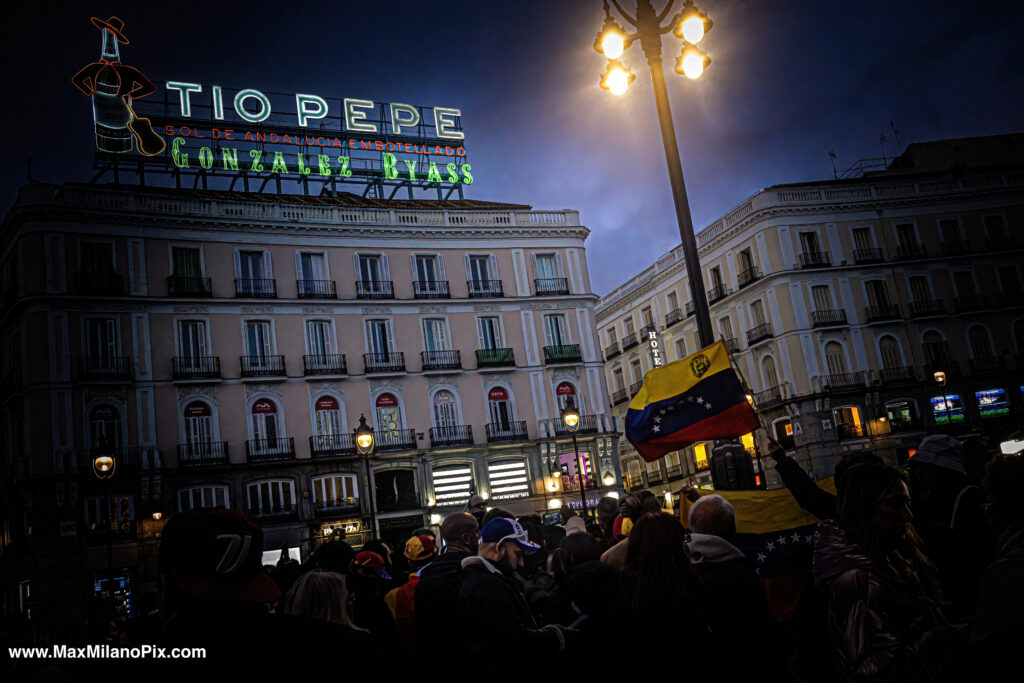
Then there is the disastrous state of Plaza del Sol and Plaza Mayor, where one can count more McDonald’s and Starbucks than authentic Spanish bars. The tascas that still ply their trade among the hordes of tourists along Puerta del Sol and Plaza Mayor long ago surrendered to overpriced menus of nachos, spaghetti, and what is now marketed, without irony, as the “authentic Madrileño calamari sandwich.”
I’ve been coming to Madrid regularly since the 1990s, and back then no one would have been caught dead eating a sandwich in a Madrid tapas bar. Tapas were free with your drink, and as their name suggests, they were small plates meant to sit atop your glass while you went to the bathroom. Those plates were filled with whatever the bar had on hand that day, usually offal or seafood, depending on the season and what was cheap at the market. You might be served bull’s balls, cockles, briny sardines, or chopped pork casings. Bread existed, but no one touched it. It arrived sliced hard and stale, as if the proprietor had bought whatever the bakeries were about to throw away, which they probably had. That was Madrid and tapeo: bulls balls, shrimp, and chopped pig, moving from tasca to tasca to kill the hours before dinner, because no self-respecting Madrileño would eat before ten or eleven at night.
But those days are over. At least in central Madrid, where tourists now gather, almost nothing remains of that culture beyond the late dinner hour, and even that survives mostly for the few locals still willing to brave the tourist traps. Plaza Mayor and Puerta del Sol have become places where calamari sandwiches are flogged to visitors at ridiculous prices under the guise of tradition.
The irony is that the bocadillo de calamares is not new. Fried squid arrived in Madrid more than a century ago, brought inland by Andalusian and Cantabrian tavern owners. Squid was cheap, filling, and easy enough to transport, and some bars around Plaza Mayor began serving it in bread as a working-class meal. It existed quietly for decades, food for laborers, football crowds, and market days, never glamorous, never discussed, never held up as a symbol of the city. During the Franco years, it survived as practical food, eaten near Atocha and Lavapiés, or on match days, but it was not “tradition” in the modern sense of the word.
That’s why, in the Madrid of the 1990s, you didn’t see people eating bread. Bread was incidental in tapas bars, often free, usually stale, and almost always ignored. People ate gambas, boquerones, callos, oreja, criadillas, tortillas, pinchos, and whatever came out of the kitchen that day. A sandwich in a tapas bar felt wrong unless you were a student, broke, hungover, or heading to the Bernabéu.
What changed came later, in the late 2000s and 2010s, when Madrid began rebranding itself for tourism, short stays, Instagram, and the packaged idea of “authentic experiences.” The calamari sandwich was perfect for that purpose. It was simple, photogenic, portable, cheap to produce, and easy to explain. Plaza Mayor bars leaned into it. Tourism offices leaned harder. Food media followed. Suddenly, a dish that had spent a century as background noise was elevated to an icon.
Madrid has historically been a non-bread-based food culture. It was a city of stews like callos and cocido, of offal, of seafood tapas, of wine drunk standing at the bar. The current obsession with sandwiches is a modern overlay, a convenient story told to visitors, not a reflection of how locals ate in the city not so long ago.
Bocadillos de calamares are old food, but a new symbol. In the 1990s, tapas came first, and bread was ignored. Today, sandwiches dominate the center, and tradition has been neatly repackaged for sale. Eat at your own peril in the black hole that central Madrid has become, and while you’re at it, wash it down with one of those fake “authentic Madrid” beers like Madrí Excepcional, manufactured by Coors for the UK market. Fake on top of fake. Why not? Because Madrid has always been, since its founding, a bit of a fake city. And I don’t mean the snobbish “pija” girls and boys that spring from its posh northern suburbs; I mean fake, as in Brasília fake or Washington, DC fake, a capital city built on an empty space to satisfy the needs of the nation. In Washington, DC’s case, because it was close to Washington’s Mount Vernon property (and it wasn’t New York, or Philadelphia); in Madrid’s case, because the land at the foot of the Guadarrama Mountains stands almost at the exact center of the Iberian Peninsula.
Madrid was not born to be a capital. It was chosen, deliberately and a little stubbornly, and that choice tells you a lot about Spain.
For most of its early history, Madrid barely registered. The Romans, who put roads, aqueducts, and cities everywhere worth the effort, settled nearby but skipped Madrid proper. Roman Complutum is today’s Alcalá de Henares. Toletum, Toledo. Madrid was just a small outpost on the Manzanares River, high, dry, and strategically unremarkable. No great river. No port. No ancient forum. Nothing that screamed destiny.
For centuries, Toledo was the real capital of Spain. After the collapse of Roman rule, the Visigoths made Toledo their capital, turning it into the political and religious heart of Christian Hispania. When the Moors arrived in the eighth century, they took Toledo too, layering Islamic governance over a deeply Roman and Gothic city. In 1085, Toledo was reconquered by the Christian kingdoms, and it remained a symbol of continuity, authority, and legitimacy. By the time Isabella of Castile completed the Reconquista centuries later, Toledo was firmly back in Christian hands, wealthy, fortified, ecclesiastical, and Roman to the core. If power had a skyline in medieval Spain, it was Toledo’s. Even after the Catholic Monarchs unified Spain, Toledo retained its prestige, its archbishopric, and its sense of being the natural center of things.
Political power, though, had already started to drift.
By the sixteenth century, the Spanish monarchy was less interested in old cities with entrenched elites and more interested in control. Charles V ruled an empire on which the sun did not set, and his son, Philip II, inherited both that empire and its administrative headaches. Philip wanted a capital that belonged only to the crown, not to the church, not to old noble families, and not to regional power brokers. He wanted a blank slate.
In 1561, Philip II made Madrid the capital of Spain.
The choice surprised everyone then and confuses people now. Madrid had no cathedral worthy of the name, no university of note, no ancient pedigree. What it did have was geography. Madrid sat almost exactly in the center of the Iberian Peninsula, high on the Meseta, difficult to attack, easy to defend, and equally distant from Castile, Aragón, and Andalusia. In an age when messages traveled on horseback and authority weakened with distance, centrality mattered.
It also helped that Madrid had no powerful institutions to resist royal authority.
Toledo, with its archbishop and history, was too independent. Valladolid, another contender, was too politically charged. Seville was rich but far too far south and tied to Spain’s Atlantic trade interests. Barcelona was powerful and stubbornly its own thing. Madrid was none of those. Madrid was malleable.
The true nerve center of power, however, was not Madrid itself, at least not at first.
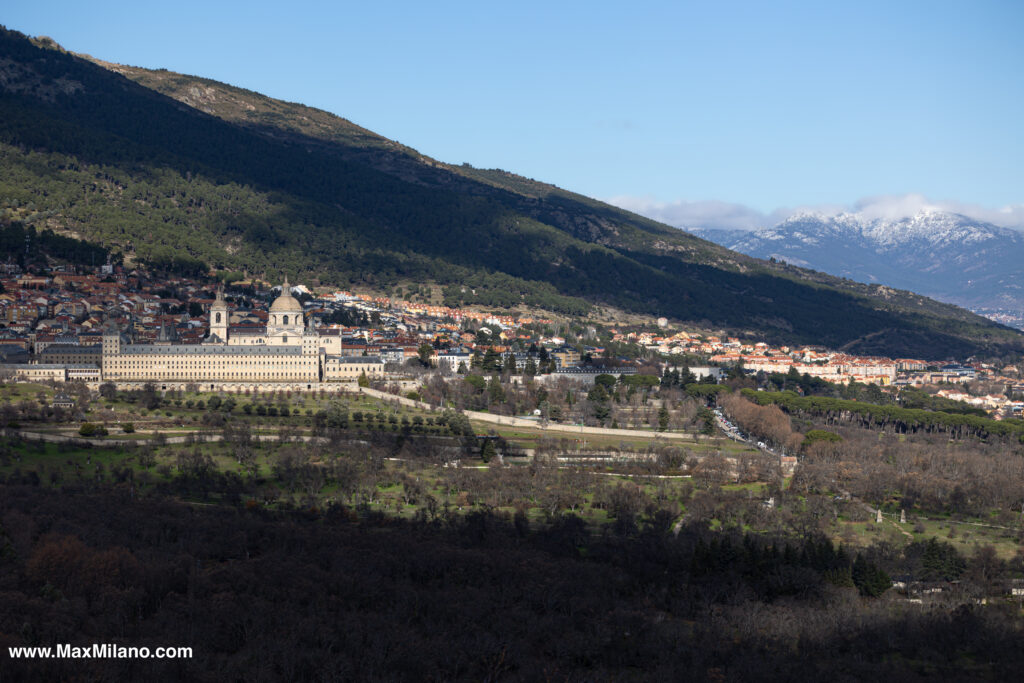
Philip II ruled from El Escorial, the austere monastery-palace he built in the Guadarrama foothills. From there, he governed an empire with monastic discipline, surrounded by archives, courtiers, and silence. Madrid served as the administrative center, while El Escorial was the spiritual and political hub. Power commuted.
Royal life, meanwhile, followed a seasonal rhythm. Aranjuez, with its palace and gardens along the Tagus, served as a spring and summer retreat, a place of leisure, ceremony, and controlled escape from court life. If Madrid was bureaucracy and El Escorial was authority, Aranjuez was the crown breathing.
Even Spain’s defining moments happened elsewhere. Isabella of Castile was crowned in Segovia, not Madrid, a reminder that unification preceded centralization. The monarchy came first. The capital came later.
Madrid grew into its role slowly. It absorbed clerks, nobles, writers, soldiers, and schemers. It became important because power lived there, not the other way around. The city was built around the court, not the court around the city.
That is why Madrid feels the way it does today. It is not ancient like Rome, not mercantile like Barcelona, not monumental like Paris. It is a city of decision-making, proximity, and gravity. Chosen rather than destined. Central not because it was glorious, but because it was convenient.
And in Spain, convenience, when backed by will, has a way of becoming history.
I realize this as I take a wrong turn somewhere along Madrid’s northern suburbs, near the Complutense University. I duck under a freeway, glance up, and suddenly I find myself almost driving straight into the Spanish Prime Minister’s residence gate, the Palacio de la Moncloa. It sits there unceremoniously beside a busy six-lane highway, guarded by two mildly startled Guardia Civiles who wave me away and point me back toward the highway on-ramp. Only in Spain.
Who places the center of civilian power next to a roaring highway with six lanes of traffic and commuter chaos? No gates worthy of Versailles. Just a long, nondescript suburban road that ducks under an overpass and right into the Prime Minister’s gates. Just asphalt, concrete, and a surprise. And yet, somehow, it works.
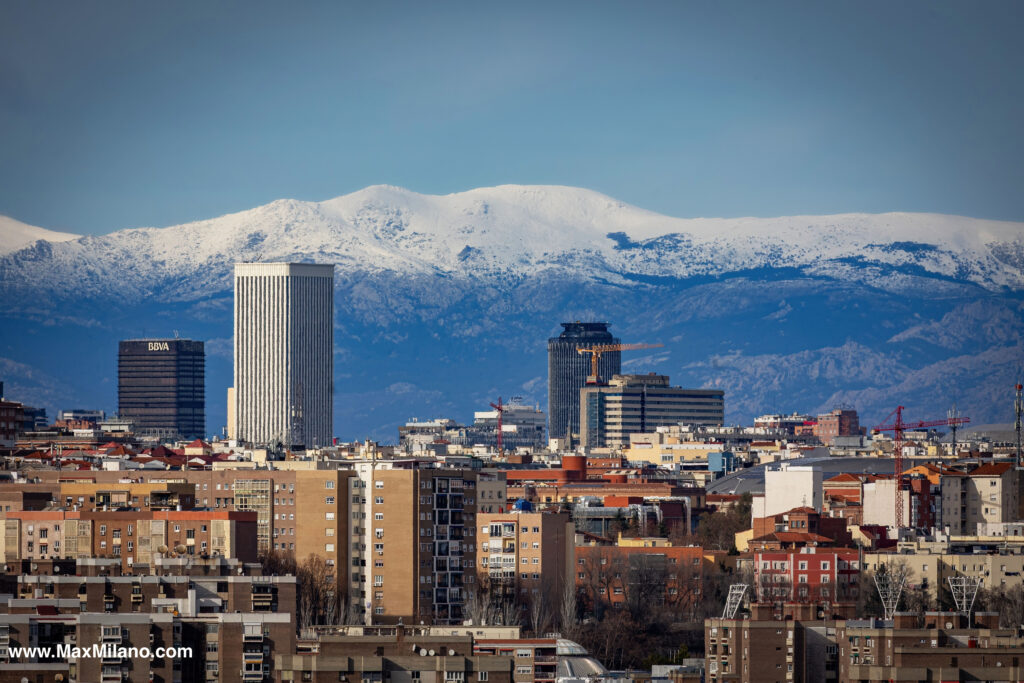
Perhaps this is Madrid’s real genius. A city that has known coups, palace intrigues, civil war, dictatorships, and restorations learned long ago not to concentrate power too neatly in one place. So, it spreads it out. The Prime Minister governs from the northern outskirts, close enough to the city but never quite inside it. Parliament debates closer to the Prado, near culture and protest, but not too close. The Senate hovers nearer the old Royal Palace.
And the Royal Palace itself? That vast Baroque monument to absolutism is now largely ceremonial. The kings stopped living there in 1931, when the Second Republic was proclaimed, and Alfonso XIII went into exile. When the monarchy was restored decades later under Juan Carlos I, the palace was judged too exposed, too heavy with symbolism, too much of a stage.
Instead, the royal family settled into the Palacio de la Zarzuela, a discreet residence tucked into the wooded outskirts of El Pardo, north of Madrid. Isolated, understated, and far from any built-up area, it feels more appropriate to its original purpose as a hunting lodge than as a royal home. Close enough to govern. Far enough to disappear.
Just a little farther north stands the Palacio de El Pardo, another former Bourbon hunting lodge, but on a far grander scale. This was where Francisco Franco ruled Spain with an iron fist for nearly four decades, governing the country from behind thick walls and deeper silence. In Madrid, even palaces have a habit of changing roles, and power, once again, chose the outskirts over the center.
Far Enough to Breathe
Madrid learned, perhaps earlier than most capitals, that power survives best when it does not insist on spectacle. Here, authority hides in plain sight, behind trees, highways, museums, and neighborhoods that look almost accidental. You can miss it entirely if you take a wrong turn, or, as in my case, find it by accident.
That’s why when I visit Madrid nowadays, I run away from the hordes in Plaza del Sol and Plaza Mayor and make a beeline for one of the magical towns that surround it, be it El Escorial, Aranjuez, Toledo, or Segovia. One is more likely to encounter there the “real” Spain, with its layers of history, from Romans to Visigoths, to Moors to Isabella of Castile and Philip II, than anywhere in downtown Madrid.
El Escorial in Winter
The best time to drive up to El Escorial is in winter.
In summer, the climb into the foothills of the Guadarrama Mountains feels like leaving the city on a freeway that then begins to cross desert badlands that slowly give way to ponderosa pines and cooler mountain air, a brief mercy from the baking hell of central Madrid. It is still hot, just less cruel, and the scent of pine and scrub almost makes up for the fascist cathedral looming above the entrance to the town of El Escorial, the Valley of the Fallen.
But it is winter now.
As we climb into the Guadarramas via the Madrid-Segovia highway, the city fades away, and only the snow-dusted Sierra remains, until the clouds part and the monstrous cross of the Valley of the Fallen reveals itself in its full dark glory, perched high on a granite cliff like Sauron’s temple. It never eases into view. It announces itself.
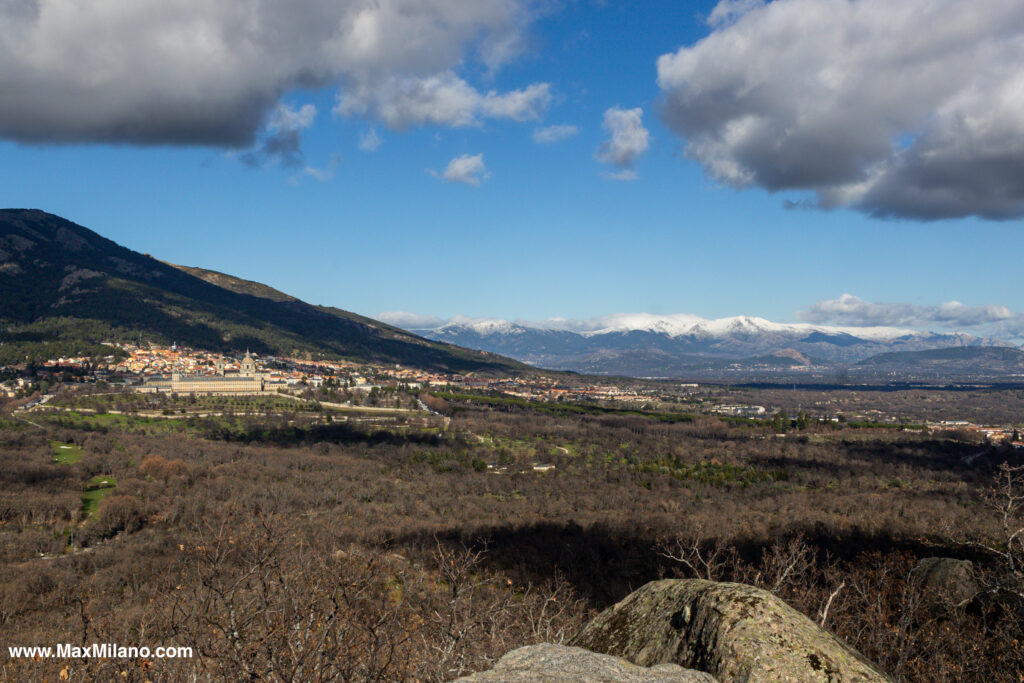
The town of El Escorial greets us dressed in full Christmas theater. Its cobblestoned streets twist and climb up a slope, while its main road out of town points straight toward the snowline of the Guadarramas. We find that the entire town has been transformed into a giant nativity scene, complete with life-size papier-mâché camels, donkeys, and Roman legionaries occupying plazas and side streets. The buildings here feel more alpine than madrileño, and above it all looms the massive walls of El Escorial Palace itself, a boxy presence that looks more like a fortress than a palace.
The narrow streets of El Escorial are in full holiday cheer, festive and bitterly cold, but thick with churros, hot chocolate, and the smell of grilled meats. Inside bars, it’s crowded and warm, outside, bitterly cold, but people sit al fresco anyway, wrapped in coats, drinking beer and red wine under gas heaters as if it were summer.
We do the same and order red wine in an outdoor café. We’re layered like mountaineers against the cold: a wool sweater, a winter coat, a ski hat, thermal underwear, and thick boots. It is about minus two degrees Celsius, and people are doing their outdoor café culture thing; laughing, drinking, talking, unbothered by the chilly air slipping down from the mountains. We eventually get up and wander for warmth, passing the papier-mâché Roman soldiers stationed throughout the nativity scene. The life-size legionaries all wear brooms stuck into their helmets. Someone clearly emptied the town’s supply of kitchen brushes and improvised. Not quite Quo Vadis, but it gets the point across.
The central plaza has been transformed into a cross between Herod’s Palace and Bethlehem, crowned with a rotating Manchego windmill that would have made Don Quijote proud. Down a narrow alley, we follow a procession of life-size papier-mâché Three Wise Men: one on a camel, one on a horse, and the third on a giant elephant. All frozen in their papier-mâché glory yet somehow made alive by the imagination of children still running around near midnight, in this cold.
The next morning, we line up to enter the Escorial Palace. The library alone outdoes Harry Potter’s, with a ceiling painted to rival the Sistine Chapel. Display cases hold drawings of agave plants and Mexica Indians sketched by missionaries five hundred years ago. The walls are lined with books and portraits of kings.
The portrait of Philip II dominates the library. Builder of El Escorial. This methodical, joyless ruler of an empire where the sun never set. The man who governed through paper, ink, and silence, earning the nickname the Spider of El Escorial. Frantically Catholic, relentlessly precise, he proposed marriage to Elizabeth I of England, was refused, and responded by sending the Spanish Armada in 1588 to punish Protestant England and restore order to God’s world, with very poor results.
Not far away in the genealogical future hangs another portrait, that of Charles II of Spain, the last Habsburg king, known as El Hechizado, with his exaggerated Habsburg jaw that drooled constantly, the result of centuries of dynastic inbreeding. Physically deformed, chronically ill, barely able to speak clearly or walk without assistance (accused by some of being the originator of the so-called Castilian lisp). By the time he ruled, the empire Philip II had controlled with such icy precision was already decaying from within. Charles II had no heirs, no strength, and no future. His death would trigger the War of the Spanish Succession and finally close the Habsburg chapter of Spanish rule. They said that when he died, he left behind a single blackened testicle. Spain remembers its rulers in full detail.
Downstairs from the library, at the core of El Escorial, sits its massive cathedral, because a simple chapel would never do for Spain’s rulers. And if you count the other one, carved directly into the granite by Franco’s prisoners up in the Valley of the Fallen, then El Escorial is a double-cathedral town. Power here was never meant to whisper.
Segovia in the Snow
You cut through the Sierras on a freeway from El Escorial to Segovia via a tunnel that would make the Swiss proud. On the far side of the Guadarrama Mountains, the landscape opens abruptly, and Segovia appears almost at once, its cathedral’s dome rising above the town like a stone compass needle, pointing toward the Disneyesque spires of its castle. This is the Alcázar of Segovia, where Queen Isabella I of Castile was proclaimed queen in 1474.
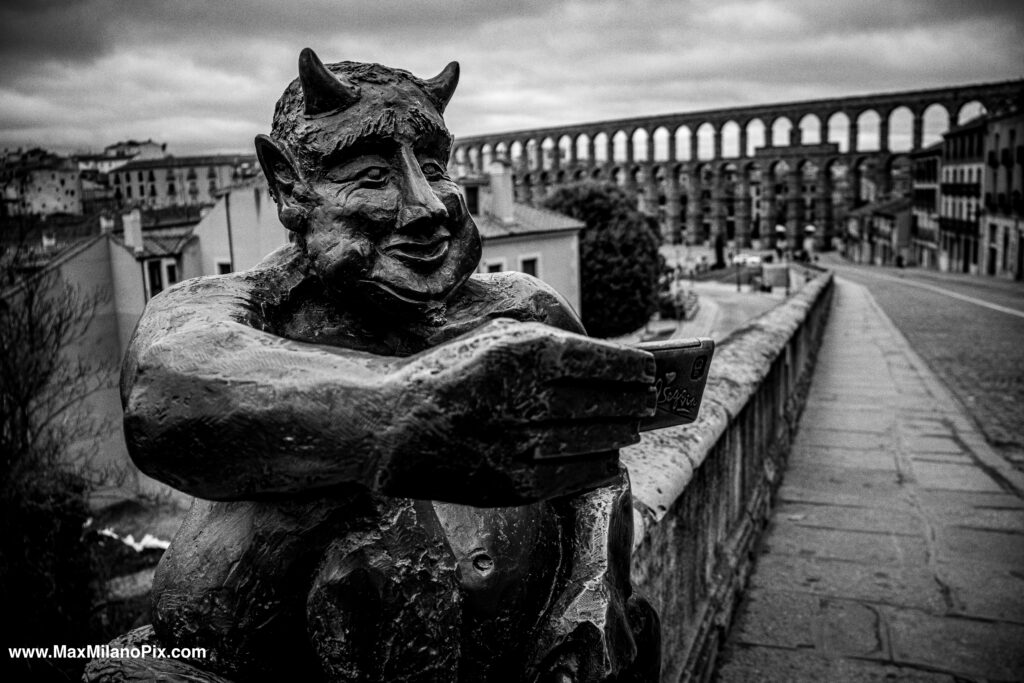
We drive into Segovia’s central plaza and stop short, mesmerized by the sudden appearance of the nearly 2,000-year-old Roman aqueduct cutting cleanly through the heart of the city. The Romans brought water down from the Sierra at a steady incline, filtering it through settling tanks and then leaping it across the chasm of the town’s main square with a magnificent, 818-meter, double-tiered aqueduct, built without mortar and held together entirely by gravity and precision. Isabella would have known this structure well; it was already ancient in her youth, a reminder that power here had always preceded kings.
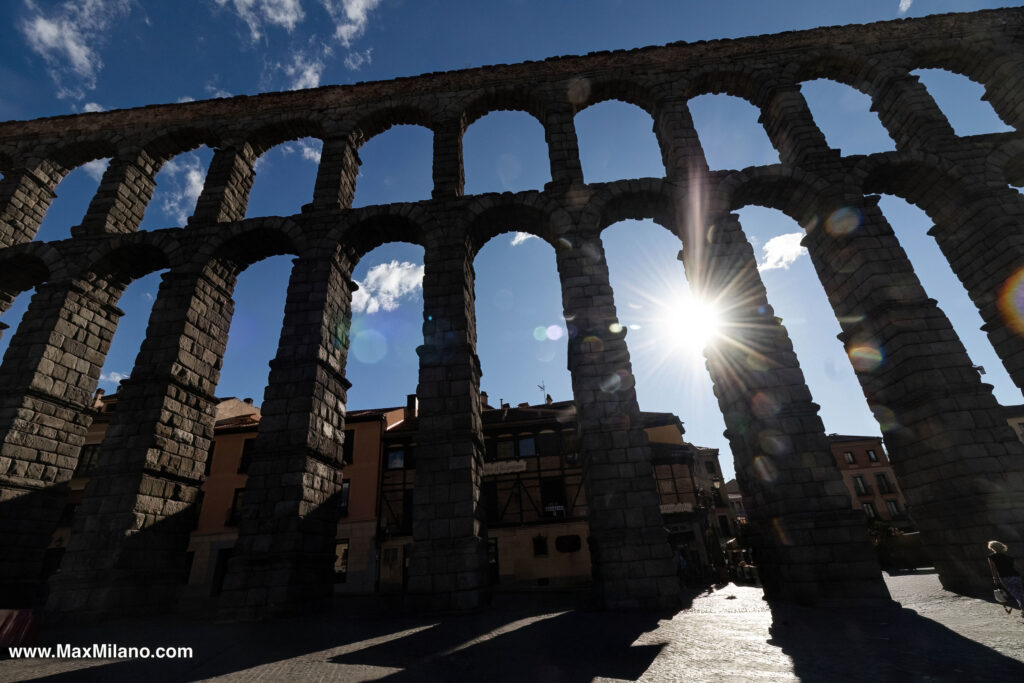
At one end of the aqueduct, where it plunges into the far side of town, someone has installed a bronze statue of the devil taking a selfie. Perhaps the town’s commentary on tourists. We walk beneath the aqueduct’s arches, always impressive, and climb a set of steps to our favorite Segovian café. An old-school bar with red-vested waiters in black ties, where thick hot chocolate and freshly fried churros are always on the menu, served alongside crispy chopped pig skin. When in Segovia, do as the Segovians do.
Later, we drive beneath the castle to take photographs and admire its fairy-tale silhouette. Isabella spent years maneuvering her game of thrones against her half-brother, King Henry IV, and later against her niece, Juana la Beltraneja, whose legitimacy was widely questioned by the nobles in favor of Isabella. Escaping to nearby Ávila to marry Ferdinand of Aragón in secret, Isabella returned stronger, backed by Castilian nobles and her husband’s soldiers. Even Portuguese support could not secure the throne for Juana.
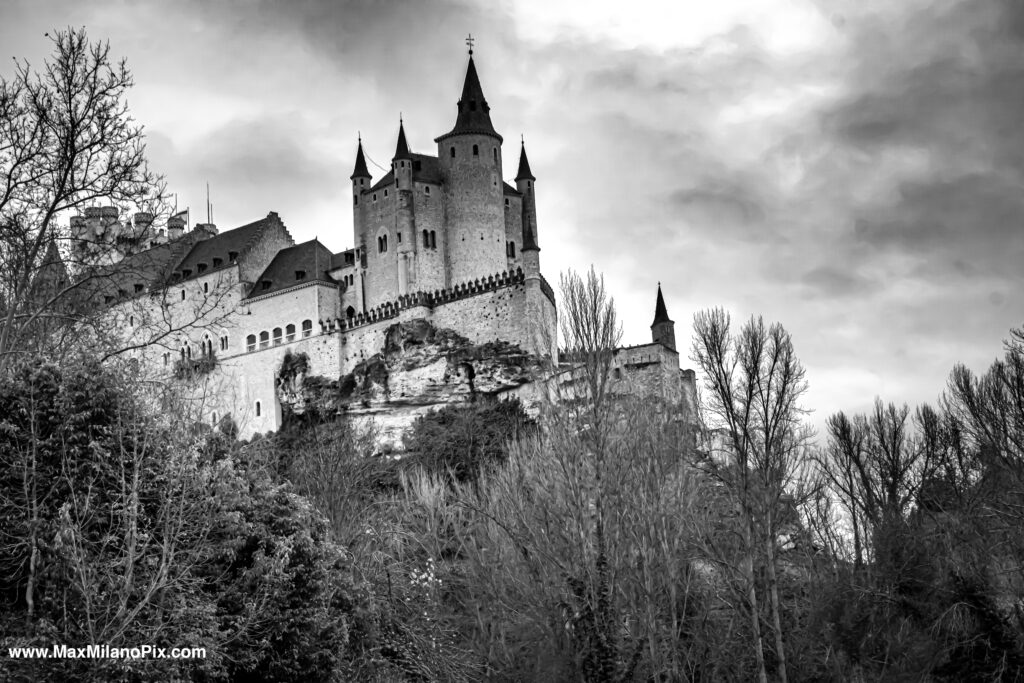
From this struggle, Spain was born. A princess once considered a spare united the two most powerful kingdoms of the peninsula through marriage and political will, accomplishing what no army had managed before. Segovia remembers this quietly, under snow, stone, and Roman arches that have outlasted every crown placed beneath them.
An Icy Morning in Toledo
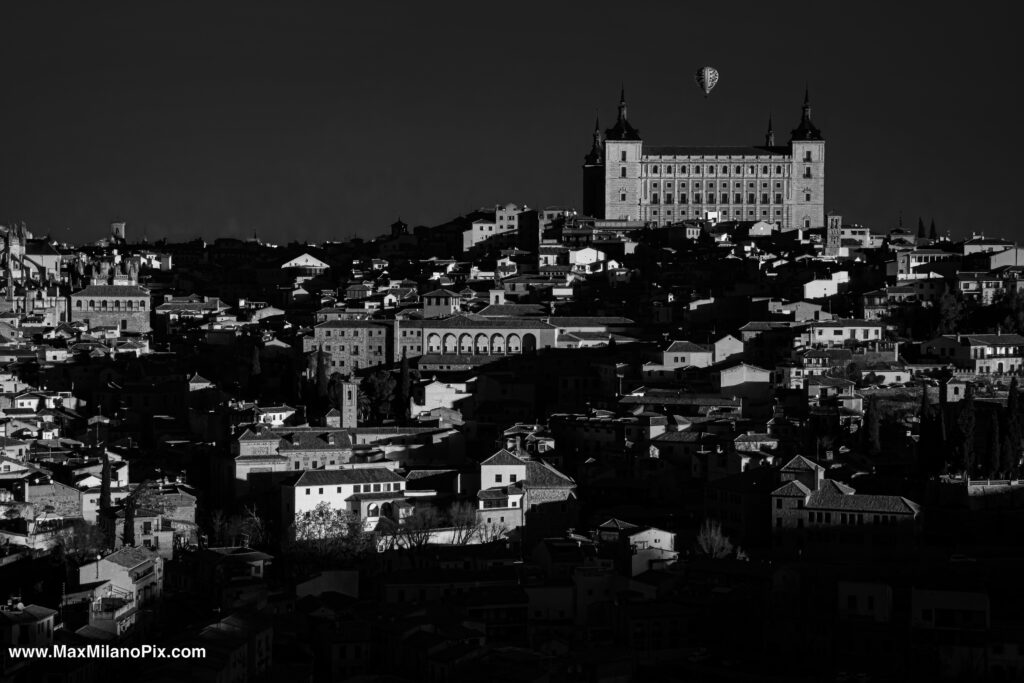
Toledo is draped on a mountain above a river. Or more precisely, over one side of a narrow river valley where houses, palaces, and churches have been stacked tightly onto one flank of the Tagus. Like all mountain cities, it is best admired from a distance. So, I wake early and drive across the river on an ancient bridge, climbing the opposite hillside to a road that hangs above Toledo and reveals the medieval city in its full glory, made even more luminous by the first rays of sunrise.
A boxy church crowns the hilltop, and a hot-air balloon drifts silently above it, almost as if someone had staged it to highlight the scene. The morning light cuts through the cold, illuminating stone, tiles, and the river in a way that feels unreal. I snap photographs from the same vantage point where El Greco painted Toledo, except he filled his sky with storms and dread. Today, there is nothing but a clear, high-desert blue, not a cloud in sight.
It is minus four degrees Celsius, bitterly cold, but standing above the city, it feels almost like flying.
Inside Toledo, history is layered vertically. We later find a stretch of Roman street buried beneath a former mosque, with a Gothic cathedral built on top of it all, as if each civilization refused to let go of the ground beneath its feet. The Visigoths made Toledo their capital in the sixth century, and after centuries of Islamic rule, the city was reconquered by Christian forces in 1085. By the time Isabella I of Castile came to power, Toledo was firmly Christian once again. She expanded and enriched the cathedral, turning it into one of the most monumental religious buildings in Spain, heavy with gold and ambition.
We dine on the far side of the hill to keep the view as the day fades. This time it is dusk that paints the city, washing the red tiles and yellowed walls in slow-moving light. Conversations pause. Forks hover midair. Everyone stops eating to watch the colors shift across stone walls that have absorbed centuries of sun, blood, and prayer. No balloons this time. Just light and time doing what they have always done here.
Aranjuez
We drive to Aranjuez in the afternoon, the light already low and horizontal, as we leave the foothills of northern Madrid and brace ourselves for the gauntlet of freeways and narrow streets required to cross the city from end to end to get from El Escorial to the suburbs on the opposite side: Aranjuez.
We put El Concierto de Aranjuez on the car stereo, as one does when going to Aranjuez, performed live by Paco de Lucía with a full orchestra. The guitar fills the car, and it feels like the most Spanish thing imaginable as we circle Plaza de Cibeles, with its fountain and stone horses frozen mid-motion in the winter light. Across from the Cibeles roundabout, we see the old neo-Baroque post office building being transformed for the Three Wise Men parade happening in a couple of days, with yards of scaffolding climbing its façade. Madrid’s Cabalgata de Reyes makes the Macy’s parade look modest: real camels, horses, floats, and TV celebrities.
We arrive in Aranjuez at dusk, that time of the evening when cafés are open, but restaurants remain firmly closed until eight or later, in keeping with Spain’s unmovable late-dinner schedule. We park and stroll past stately buildings toward a bridge over the Tagus River, slipping quietly past the palace. Aranjuez was conceived as Spain’s answer to Versailles, and you can still glimpse Bourbon ambition in the French geometry of the gates, gardens, and statues stretching out beyond the palace grounds.
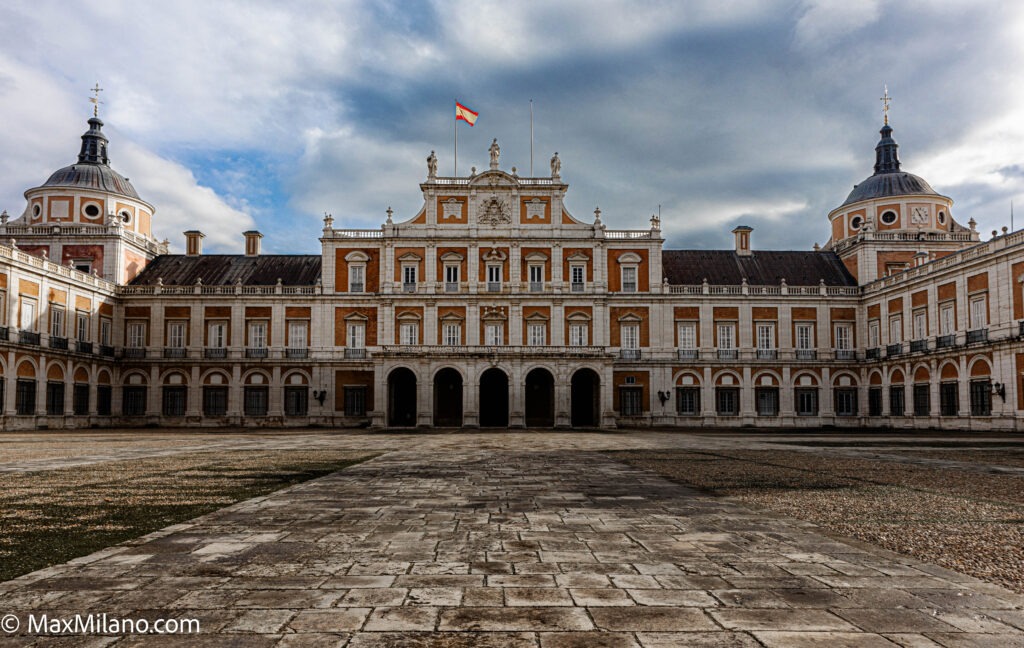
The Royal Palace of Aranjuez began as a royal hunting lodge under the Catholic Monarchs, but was transformed into a true palace in the sixteenth century under Philip II, who envisioned it as a spring retreat for the court. The Bourbons expanded it further in the eighteenth century, especially under Ferdinand VI and Charles III, turning it into a seasonal residence surrounded by vast gardens, orchards, and formal promenades. Power here was meant to feel lighter, greener, and more refined than Madrid or El Escorial. A place to rule without the weight of stone pressing down.
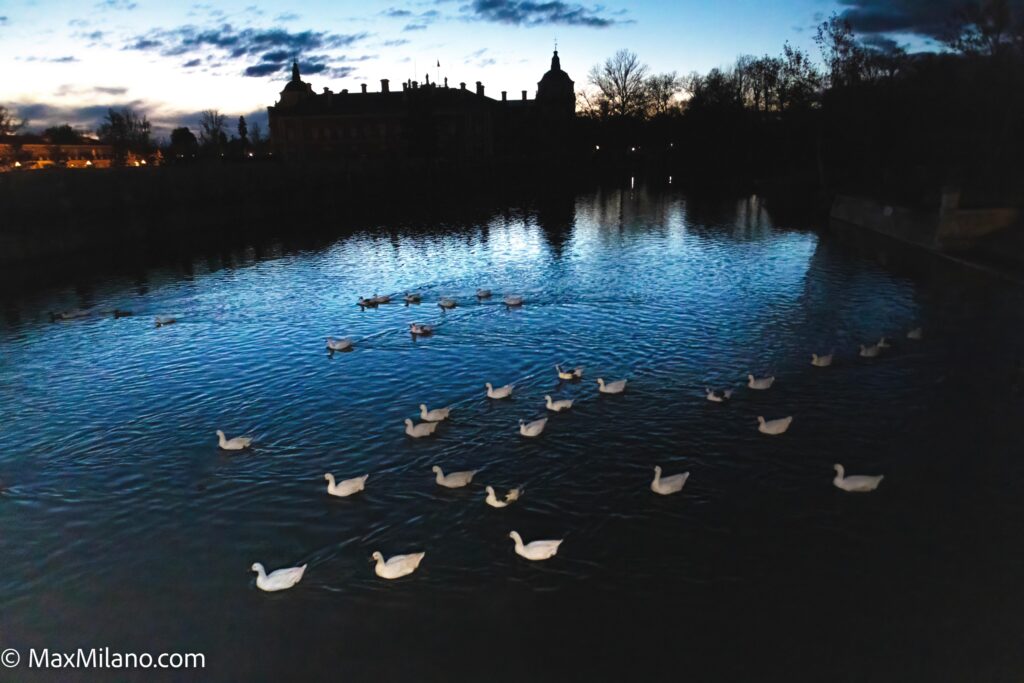
We cross the bridge just as darkness swallows the last of the sunset and watch the palace’s white geese swim and squawk in the murky water. Some of the geese climb out and wander beneath the legs of startled tourists, posing for photos, perhaps hoping for food. The park beyond looks gloomy at night, its pale neo-Roman statues frozen in the cold like abandoned gods.
Every restaurant confirms the same thing: drinks only until eight. So, we settle into a busy hotel café, an outdoor table, and order a bottle of local red wine from the Madrid area for warmth. The waiter must notice our hunger because he quietly offers to “see what he can do” and returns with a plate of freshly sliced jamón serrano. We are sitting outside next to a taxi rank, listening to drivers argue loudly in Madrid Castilian as taxis come and go. It’s minus one degree, but the terrace is alive with old women in fur coats sipping brandy as if in a Nouvelle Vague movie. All we’re missing is a Miles Davis soundtrack and more cigarette smoke.
The first bottle of red disappears quickly. Still hungry, slightly drunk, we wander down the cobblestones to another café advertising a full Venezuelan New Year’s dinner on a small chalkboard. It seems strange in such a Frenchified setting, but food is food, and 8 p.m. is a long time away. We take another outdoor table. The waiter seems genuinely pleased to see us and brings a bottle of Rioja, followed by homemade Venezuelan hallacas (banana-leaf-wrapped Christmas tamales) and pan de jamón, a glorious bread loaf stuffed with ham and raisins. A side of Russian salad and more wine is their nod to Spain.
Eating Venezuelan home cooking outdoors in the cold, before eight pm, surrounded by Bourbon palaces and frozen gardens, feels completely perfect. The warming glow of the wine helps. I look at my wife sipping her wine, smiling against the dark silhouette of Bourbon palaces, and wonder how many tourists are fighting the hordes in Puerta del Sol at this very moment, while here we are surrounded by calmness and wine, as we dine al fresco on cobblestoned streets with the looming shadows of Bourbon palaces beyond the streetlights.
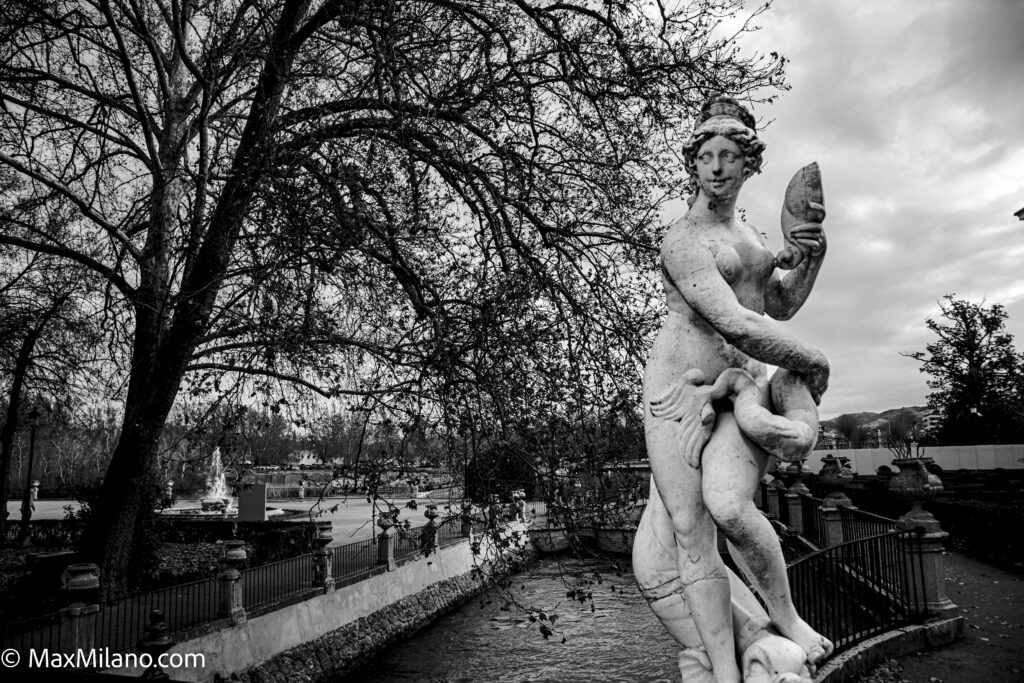
The next morning, we visit the palace, an interminable passageway of French Rococo salons that pour into each other, one more grandiose than the next, until we are spilled out into the palace gardens, with their neo-Roman statues of satyrs getting their balls scratched by angels. It feels romantic to wander the gardens in winter because the trees look sad and bare, and the whole scene feels like the final chapter of a nineteenth-century French novel, where a pianist plays a sad piano minuet for his unrequited love while spitting blood because the cure for tuberculosis has not yet been invented.
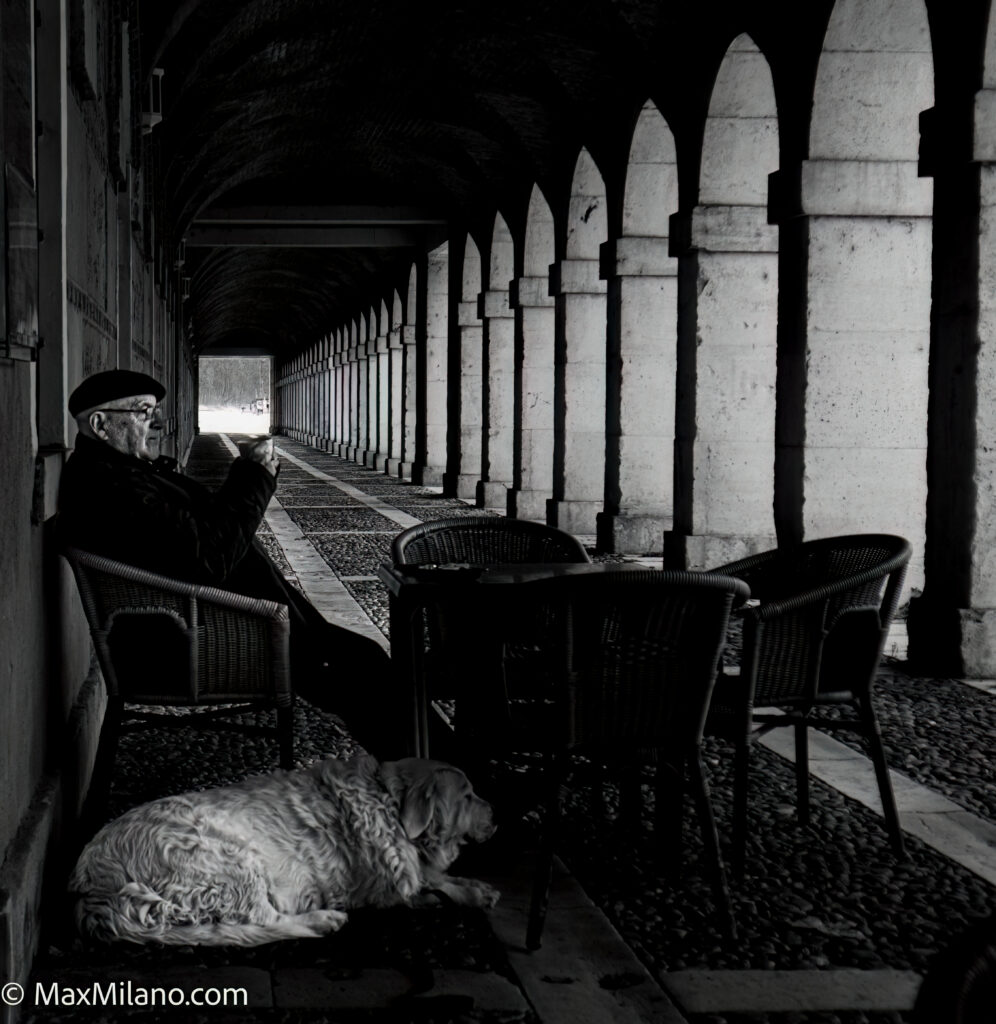
We escape the park and wander down a long passageway lined with cafés and choose one filled with old fogeys sipping their first coffee and brandy of the morning. These are the best cafés in Spain. The ones packed with old-timers in berets, hitting the hard stuff mixed with coffee at an inappropriately early hour. We order two espressos and watch the old fogies sip coffee, talk animatedly, and pet their dogs, some small enough to fit in handbags, others big enough to go hunting for boar that are supposed to abound in these grounds. Perhaps later we’ll drive up into the heart of the Guadarrama Mountains to see the snow up close, but for now, sipping coffee outdoors under ancient arches while listening to old Spaniards feels like time hasn’t completely changed Madrid just yet. For now.
Max Milano is a travel writer and photographer based in Los Angeles, California, and Valencia, Spain. His latest photography book, Mexico City Noir, Life Under The Volcanoes, is Available on Amazon. His photographs are available at MaxMilanoPix.
Practical Information
Planning a road trip in Spain? Here are some practical tips to make your trip smoother, cheaper, and more enjoyable.
Transportation
- Car rentals: AutoEurope consistently offers some of the best rates in Europe. Always spring for the zero-deductible insurance option. Spanish roads are full of narrow medieval streets and hidden stone curbs.
- Last-minute rentals: Expedia often has good deals if you suddenly decide to extend your trip.
- Long-term rentals: For trips of a month or more, try OKMobility. Be aware that they may sometimes request an International Driver’s Permit (IDP). You can easily get an International Driver’s Permit (IDP) at your local AAA office before leaving the U.S.
- Navigation: Google Maps works well in cities, but in rural areas like Galicia or Castilla, it can become confused by old farm roads. Download offline maps before you go.
Accommodation
- We skip Airbnb for many reasons. On our latest road trip, we used Google Maps to find hotels along our route and called them directly the day before or even the same day. Google usually links to the hotel’s website or booking page.
- Pro tip: Always compare the hotel’s direct price with that of Expedia or Booking.com. Sometimes the hotel offers a cheaper “direct booking” discount; other times, the platforms offer a better deal. Check both.
- Outside of big cities, expect simple pensiones or pilgrim hostels. They’re basic, but cheap and full of character.
Food
- Spain runs on strict meal times. Lunch (the big meal) is from about 1:30 to 3:30 PM. Dinner rarely starts before 8:30 PM.
- In small towns, arriving outside these hours often means no food until kitchens reopen. Always carry snacks or a picnic lunch.
- Supermarkets to the rescue: Carrefour, Mercadona, and Gadis offer excellent ready-made takeout options, including tortilla española, fresh bread, local cheeses, and wine that costs less than bottled water.
Money
- Spain is card-friendly, but some tiny bars and gas stations still prefer cash. Keep some cash handy.
- ATMs: Avoid Euronet; they charge insane fees. Stick with ATMs attached to reputable banks, such as Santander, BBVA, or Caixa.
Heads up: Some (not all) of the links above are affiliate links. That means if you book a car, hotel, or tour through them, I may earn a small commission. It helps keep the road trip going and the stories free for you.