
A Pilgrim’s Road Trip Along the Camino de Santiago
By Max Milano (Travel Writer & Photographer)
“We’re staying in a retirement home for old ETA members,” I hear my wife say from the bedroom as I sip a Scotch and Coke Zero on the balcony of the Hotel Arriaga in Bilbao. Below me, a narrow alley funnels the whole of humanity into the maze of Bilbao’s Old Town. I hear Dutch. German. Latin American Spanish. French. Even Basque.
At the far end of the alley, over the tram tracks, is a slow dark river that splits the town in two. Above the murky waters stands a Belle Époque train station under an impossibly blue sky. Soon, everything will be swallowed by mountain fog. Two Spanish bears sit shirtless on the balcony next door, hairy and loud, tattoos and bellies in full display. My wife is too shy to come out and say hi to our neighbors. We’ve been in this hotel before. Ten years ago. Back then, we’d flown from San Francisco to London, then on to Barcelona and had lunch with a contact on Barceloneta Beach. Then we drove to Zaragoza, Pamplona, and San Sebastián in a day.
Burgos
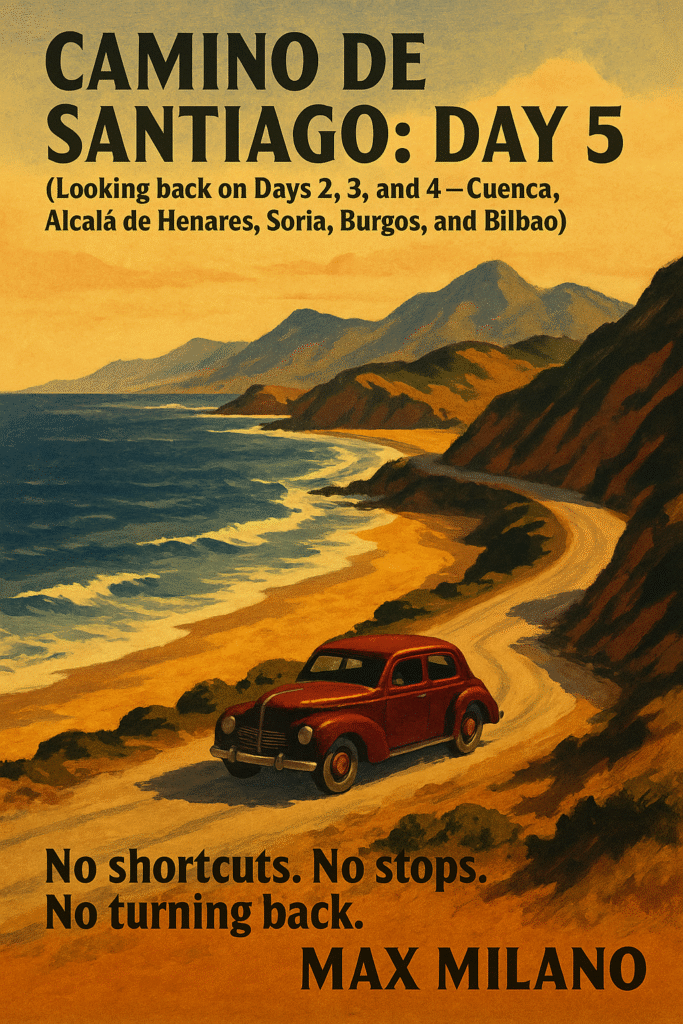
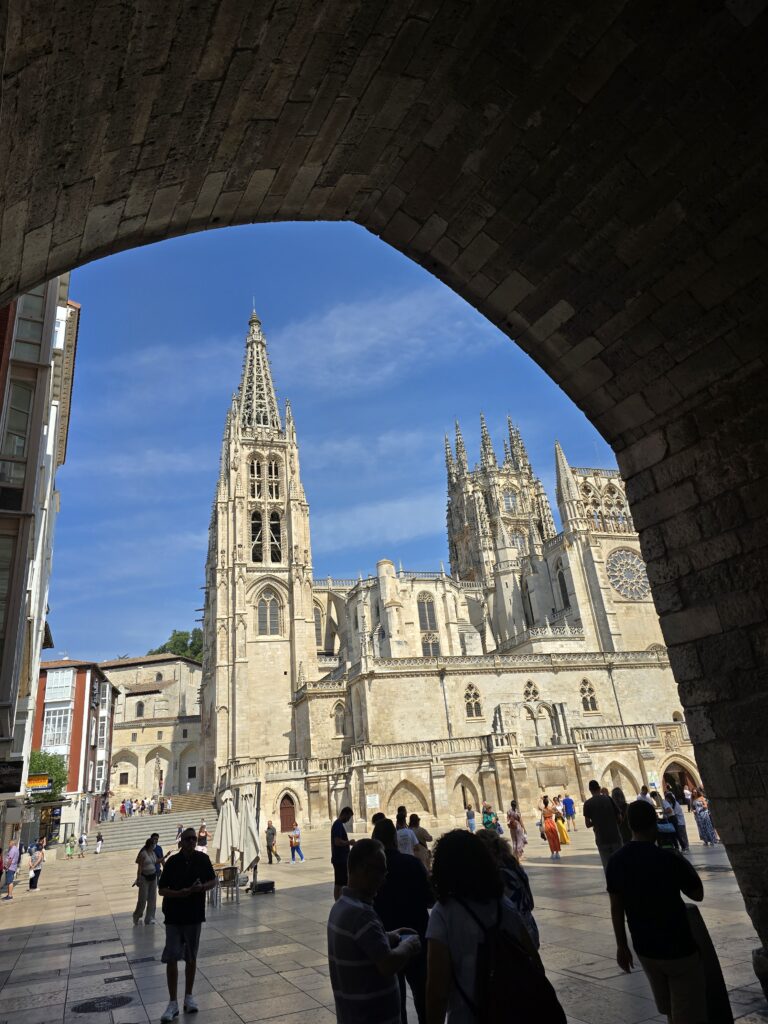
We drove up to Bilbao from Burgos. Medieval and Gothic. Morcilla myths and a city gate that looks like Disneyland if Disneyland had had plague and monasteries. But gentrification’s creeping in. Burgos now has trendy cafés that sell $15 açaí bowls to tourists too dazed to notice they’re getting fleeced. We swore an oath: only bars with old fogeys and smoke-stained walls, nothing else, and it serves us well.
Leaving Burgos, Castile rises. Vineyards of the Duero fall away to pine forests and mountains. The air sharpens. You feel the wolves. Rome didn’t come here. They stayed in the valleys. Too wild. Too vertical. This is a kill zone of stone and pine. We could be halfway to Lake Tahoe.
Alcalá de Henares
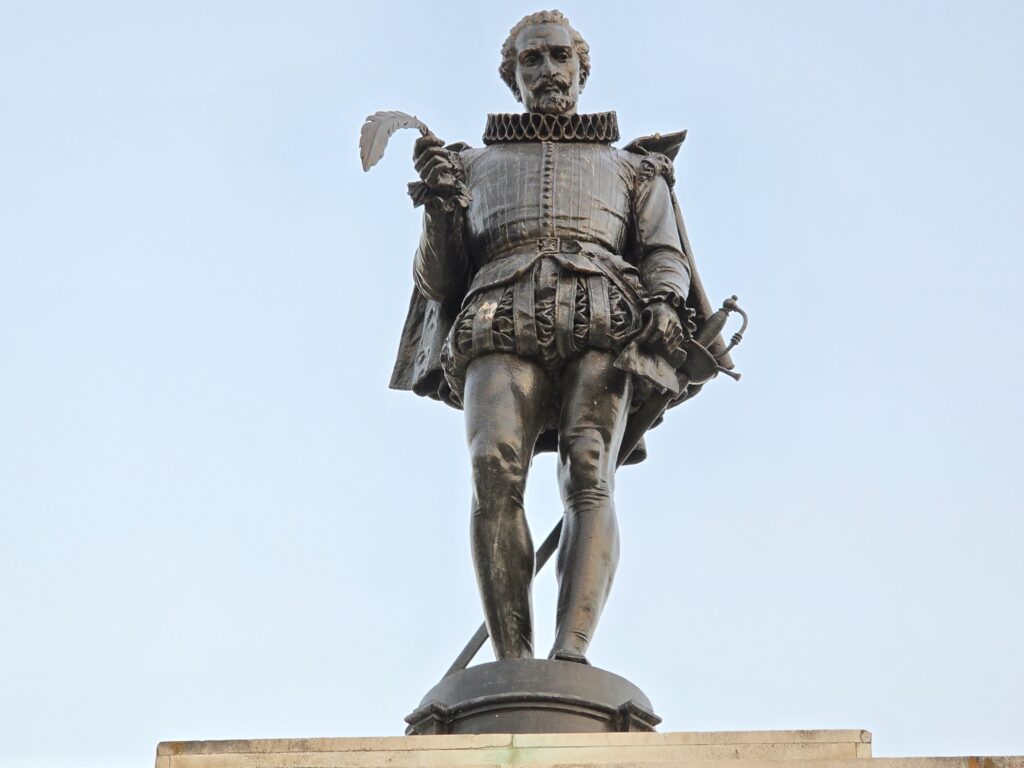
Only yesterday, we walked the streets of Alcalá de Henares. Just north of Cuenca, but a satellite of Madrid. You get the capital’s food without the capital’s chaos. Imagine Santa Barbara with Spanish palaces and churches. Pasadena with cobblestones. Cervantes’ birthplace stands opposite the old synagogue, dead center in the Jewish Quarter that survived here past the 1492 expulsion. Cervantes, Spain’s greatest hero, was born across the street from it in a family of conversos. So maybe Don Quixote is a Jewish fever dream.
Cuenca
Night in Cuenca at 3,500 feet. Midnight heat feels tropical but soft. We sit outside. Beer in hand. Kids run in the streets past midnight. Families laugh. No cars. No fear. This is the dream Americans claim they want for their children, but instead, they flee to Russia and end up in trenches. They should’ve come here.
Calatañazor and Orson Welles
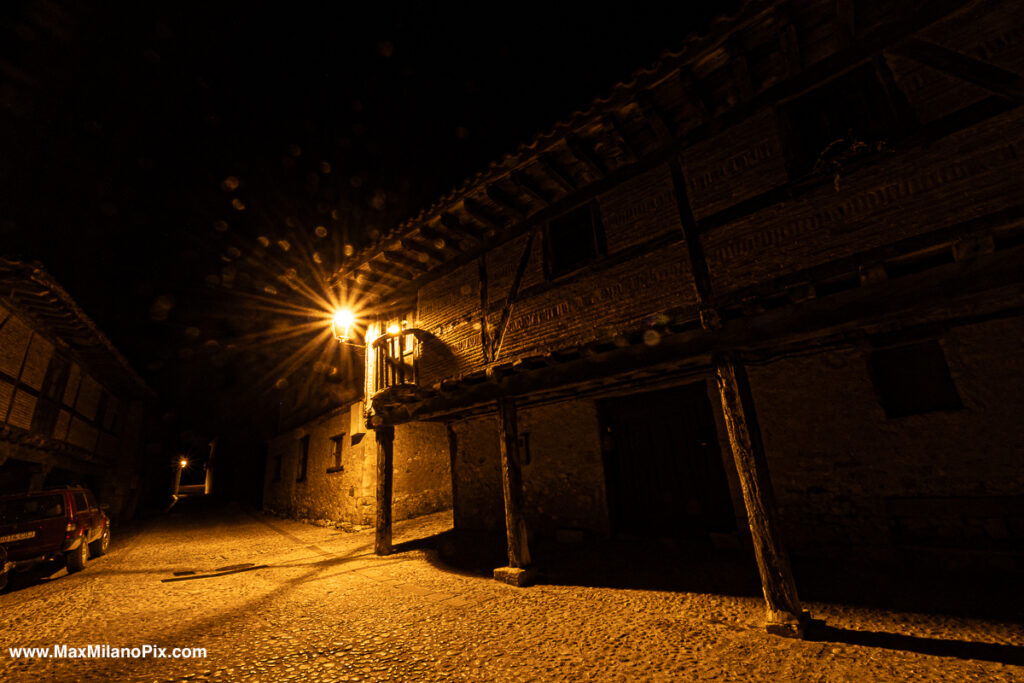
From Cuenca and Alcalá we drove north to Soria. Stopped at Medinaceli for its lone Roman arch and a mosaic buried under a medieval house. A royal stopover. Michelin stars and old stones. Then came Calatañazor. It hits you like a movie set. Deer jump the road. The village clings to a cliff of twisted timber and adobe. Elizabethan beams bent with centuries. Crooked streets. Cobblestones polished by hooves and wars. Orson Welles shot “Chimes at Midnight” here in 1965. He didn’t need a set, just costumes and fog. We stayed at La Casa Rural de Calatañazor. Pub below. Ham hanging from rafters. Castilian chorizo, cheese, and red wine from Ribera del Duero. At night, we shot photos of the Big Dipper behind a ruined Moorish castle and felt ghosts stir outside the cemetery gates. Morning came. Hobbit paths. Rock tombs carved by unknown hands.
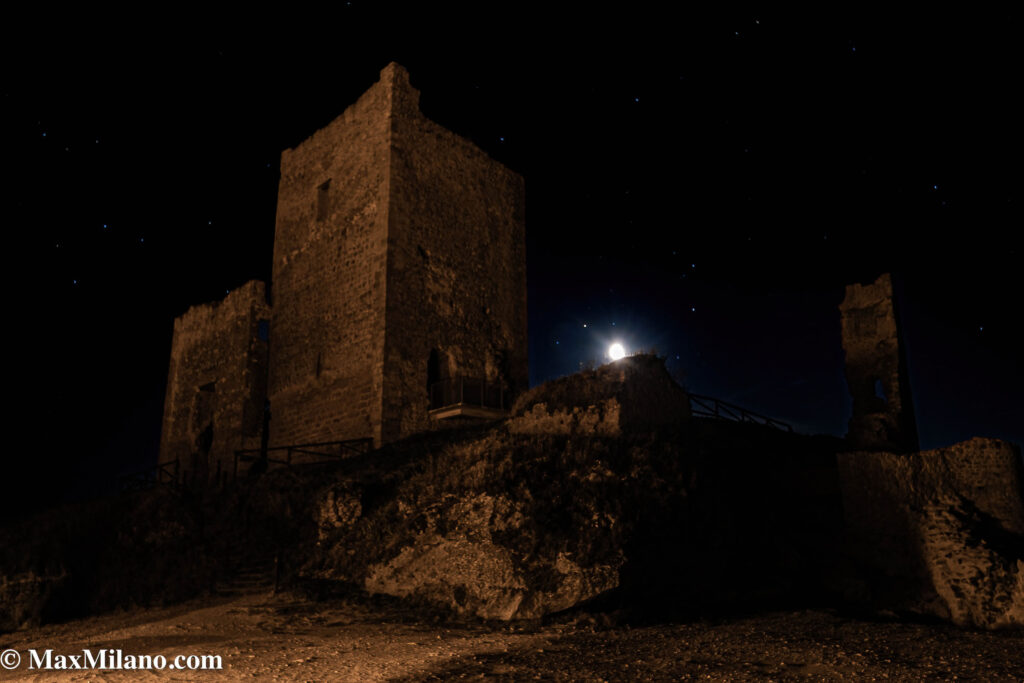
Calatañazor feels older than Spain. A shard of the world.
Tomorrow we leave Bilbao’s old town for the French Basque coast: salt and sea. The Camino de Santiago begins in earnest in France. No stops. No turning back until Santiago de Compostela.
Continues in Part 2.
Read The Full Camino de Santiago Roadtrip Series:
El Camino de Santiago Prologue: Valencia to Cuenca
El Camino de Santiago Part 1: Cuenca to Bilbao
The Road to Santiago Part 2: La Rioja to Bayonne
The Road to Santiago Part 3: Cantabria to Galicia
The Road to Santiago Part 4: Galicia & The End of El Camino
Max Milano is a travel writer and photographer based in Los Angeles, California, and Valencia, Spain. His latest photography book, Mexico City Noir, Life Under The Volcanoes, is Available on Amazon. His photographs are available at MaxMilanoPix.
Practical Information
Planning a road trip in Spain? Here are some practical tips to make your Camino (or any Iberian road trip) smoother, cheaper, and more enjoyable.
Transportation
- Car rentals: AutoEurope consistently offers some of the best rates in Europe. Always spring for the zero-deductible insurance option. Spanish roads are full of narrow medieval streets and hidden stone curbs.
- Last-minute rentals: Expedia often has good deals if you suddenly decide to extend your trip.
- Long-term rentals: For trips of a month or more, try OKMobility. Be aware that they may sometimes request an International Driver’s Permit (IDP). You can easily get an International Driver’s Permit (IDP) at your local AAA office before leaving the U.S.
- Navigation: Google Maps works well in cities, but in rural areas like Galicia or Castilla, it can become confused by old farm roads. Download offline maps before you go.
Accommodation
- We skip Airbnb for many reasons. On our latest El Camino road trip, we used Google Maps to find hotels along our route and called them directly the day before or even the same day. Google usually links to the hotel’s website or booking page.
- Pro tip: Always compare the hotel’s direct price with that of Expedia or Booking.com. Sometimes the hotel offers a cheaper “direct booking” discount; other times, the platforms offer a better deal. Check both.
- Camino towns: Outside of big cities, expect simple pensiones or pilgrim hostels. They’re basic, but cheap and full of character.
Food
- Spain runs on strict meal times. Lunch (the big meal) is from about 1:30 to 3:30 PM. Dinner rarely starts before 8:30 PM.
- In small towns, arriving outside these hours often means no food until kitchens reopen. Always carry snacks or a picnic lunch.
- Supermarkets to the rescue: Carrefour, Mercadona, and Gadis offer excellent ready-made takeout options, including tortilla española, fresh bread, local cheeses, and wine that costs less than bottled water.
Money
- Spain is card-friendly, but some tiny bars and gas stations still prefer cash. Keep some cash handy.
- ATMs: Avoid Euronet; they charge insane fees. Stick with ATMs attached to reputable banks, such as Santander, BBVA, or Caixa.
Other Essentials
Packing: A light rain jacket is essential in Galicia, even in summer. Comfortable walking shoes are non-negotiable.
Gas stations: Many are self-service with payment machines. Use Carrefour gas stations to earn points; it will help cover the cost of many of your snacks during a long road trip.
Language: In big cities, you’ll find English speakers. In rural Galicia or Castilla, don’t count on it. A few phrases in Spanish (or Galician!) go a long way.
Heads up: Some (not all) of the links above are affiliate links. That means if you book a car, hotel, or tour through them, I may earn a small commission. It helps keep the road trip going and the stories free for you.